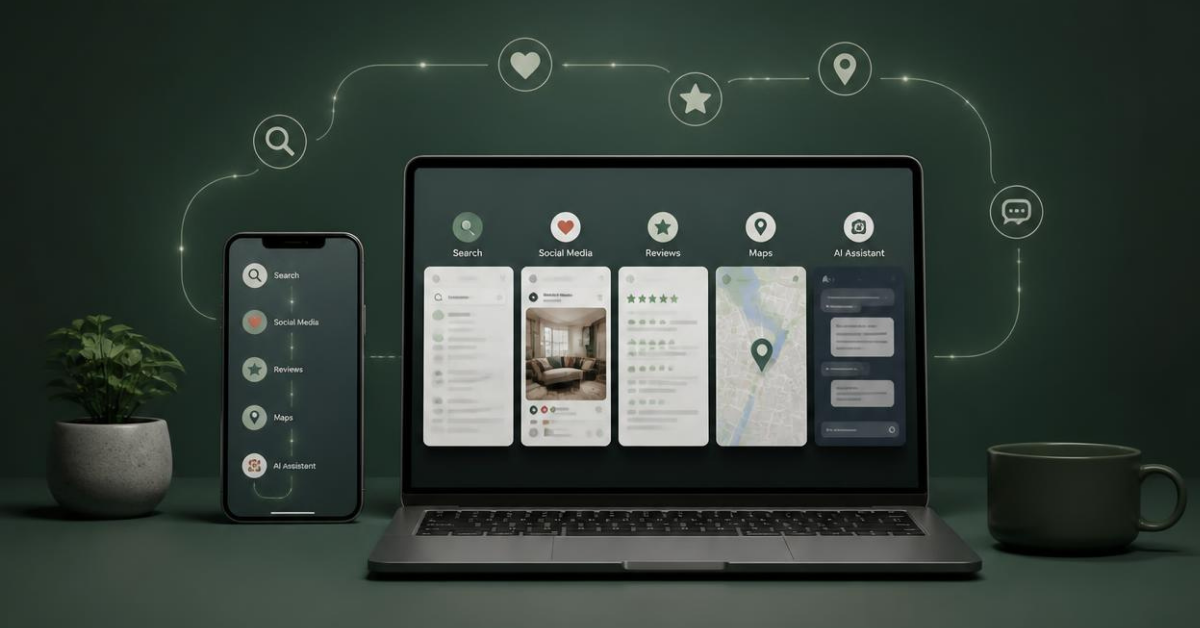
Introduction: Why More Automation Is Not Fixing the Problem
Automation is no longer optional. Across industries, businesses are adopting CRM systems, automated follow-ups, scheduling tools, and AI-driven workflows to improve efficiency.
On paper, this should lead to better results.
In reality, many businesses are seeing the opposite. Despite having more tools in place, they are still dealing with missed opportunities, inconsistent follow-up, and unclear processes.
The issue is not a lack of automation. The issue is implementing automation without a defined strategy.
For trustees, security professionals, HVAC companies, and business owners, this gap often shows up in one place. Leads are coming in, but conversion is inconsistent.
The Growth of Automation and Why It’s Misleading
Automation tools are easier than ever to access and implement. Businesses can quickly set up:
Automated email responses
Lead tracking systems
Appointment scheduling tools
AI-generated follow-up messages
These tools create the impression that the system is working. Notifications are sent, leads are captured, and tasks are created.
However, activity does not equal progress.
Without a clear structure behind these tools, businesses often end up with systems that look active but fail to move clients forward.
The Core Problem
Most businesses adopt automation by asking:
What tool should we use
Instead of asking:
What process are we trying to improve
This leads to disconnected systems that do not align with how clients actually move from inquiry to decision.
What Automation Without Strategy Looks Like
When automation is implemented without a clear plan, several patterns emerge.
1. Leads Enter but Do Not Progress
A lead fills out a form or makes contact. They receive an automated response, but nothing meaningful happens afterward.
There is no structured path guiding them toward:
A conversation
A consultation
A decision
The lead exists in the system, but there is no movement.
2. Follow-Up Becomes Inconsistent
Some leads receive immediate attention. Others are delayed or missed entirely.
This often depends on:
Who is available at the time
Whether someone remembers to follow up
How busy the team is
Without a defined process, follow-up becomes reactive instead of consistent.
3. Messaging Feels Generic and Disconnected
Automation often sends the same message to every lead.
While this saves time, it can create problems:
Messages do not reflect the client’s situation
Responses feel impersonal
Clients are unclear about what to do next
In industries where trust is important, generic communication reduces confidence.
4. No Clear Ownership of the Next Step
Automation creates tasks, reminders, and notifications. But if no one is responsible for moving the lead forward, nothing happens.
This results in:
Delayed responses
Missed opportunities
Leads going cold
Why Strategy Must Come Before Automation
Automation should support a defined process, not replace it.
Before implementing any system, businesses need clarity on:
How a lead enters the business
What happens immediately after
How quickly a response is expected
What the next step is for the client
How follow-up is handled over time
Without this structure, automation simply repeats existing inefficiencies at a larger scale.
Real-World Context
A trustee firm may respond quickly but fail to guide clients toward booking a consultation
A security company may track leads but not follow up consistently after site visits
An HVAC business may receive high call volume but lack a structured way to manage responses
In each case, the issue is not the absence of tools. It is the absence of a defined workflow.
Tools Versus Systems: Understanding the Difference
Many businesses believe they have a system because they use a CRM or automation tool.
In reality, they have tools, not systems.
A Tool
Captures a lead
Sends a message
Creates a task
A System
Guides the lead from first contact to final decision
Ensures consistent communication at each stage
Defines who is responsible for each step
Tracks progress and identifies gaps
Without a system, tools operate independently. This creates gaps in the client journey.
Common Signs Your Automation Is Not Working
Businesses experiencing poor results from automation often notice:
Leads are coming in but not converting consistently
Follow-up depends on manual effort rather than a defined process
Clients ask questions that should already be addressed
Response times vary depending on workload
There is no clear visibility into where leads are being lost
These are not technology issues. They are process issues.
How to Build Automation That Actually Works
1. Map the Full Client Journey
Start by outlining each step:
First point of contact
Initial response
Follow-up within the first 24 hours
Ongoing communication
Transition to consultation or booking
This creates clarity before any tool is introduced.
2. Define Clear Next Steps
At every stage, the client should know:
What happens next
When it will happen
What action is required
Removing uncertainty increases conversion.
3. Standardize Response Times
Set clear expectations for:
Initial response
Follow-up timing
Ongoing communication
Consistency builds trust and improves outcomes.
4. Align MessagingWithClient Needs
Automation should reflect real client concerns.
This means:
Using clear and relevant language
Addressing common questions
Providing useful information rather than generic responses
5. Keep the Process Simple
Complex systems often fail because they are difficult to follow.
A simple, well-defined process that is consistently executed will outperform a complicated system that is not fully used.
Why This Matters Now
In 2026, automation is no longer a competitive advantage. It is a standard.
The difference between businesses that grow and those that struggle is not the number of tools they use. It is how effectively those tools are integrated into a clear process.
Businesses that focus on structure, clarity, and consistency will:
Convert more leads
Improve response times
Create better client experiences
Those that rely on automation alone will continue to face inefficiencies.
Conclusion: Strategy Drives Results
Automation is not the solution by itself. It is a tool that supports how your business operates.
Without strategy, automation creates gaps. With strategy, it creates consistency.
The focus should not be on adding more tools. It should be on improving how leads move through your business from first contact to final outcome.
Contact Us
If your business is using automation but not seeing consistent results, the issue is often not the tools themselves. It is how the process is structured.
Amber 90 works with service-based businesses to improve lead management, response times, and client conversion by building clear and effective systems that align with real client behavior.
If you want to identify where your current process may be falling short and how it can be improved, reach out to start the conversation.